For MEKO, developments in Norway and Denmark represent more than national case studies — they offer a clear view of how the automotive aftermarket is likely to evolve across Europe.
For work shops, spare parts suppliers, and the industry as a whole, the future is not about fewer business opportunities. It is about new capabilities, new services, and increasingly advanced technical expertise.
As electric vehicles take over, the aftermarket evolves
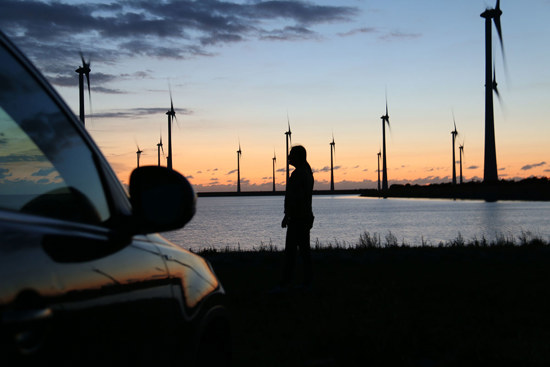
Norway has long been a global leader in vehicle electrification, while Denmark is rapidly following the same path. Together, these markets offer a preview of what lies ahead for the rest of Europe.
As vehicle powertrains evolve, so does customer demand. Some traditional parts become less important, while others grow in significance.
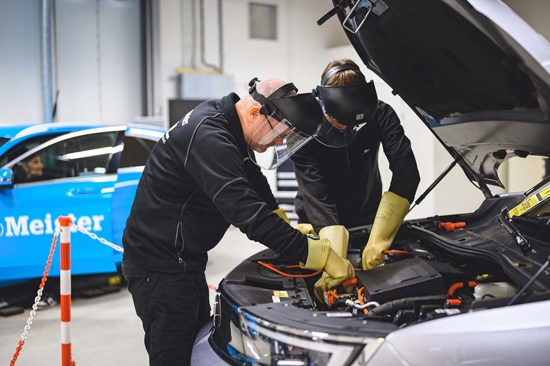
Electric vehicles still require regular maintenance. Brakes, tires, suspension, steering, and chassis components experience the same wear and tear as before, while increasing vehicle digitalization places greater demands on advanced diagnostics, software, and specialized expertise. Work shops are becoming more important than ever. Those that combine technical expertise with the right equipment and efficient workflows will be the partner of choice for vehicle owners. At the same time, investments in skills development are becoming an increasingly important competitive advantage across the industry.
As the vehicle fleet changes, regulations must keep pace
Electrification is not only transforming vehicles — it is also changing how they are inspected and repaired. In Norway, discussions are underway about how the Periodic Vehicle Inspection (PKK), the country’s mandatory roadworthiness check, can evolve to meet the demands of next-generation vehicles and increasingly stringent safety requirements.
Future regulations could require more comprehensive inspections, clearer documentation, and stricter requirements to ensure that identified faults are repaired correctly.
For work shops, this opens new opportunities. More advanced vehicles require more specialized repairs, reinforcing the value of professional workshops with the expertise and capacity to perform them.
Electrification and global trends are reshaping the market
The vehicle fleet continues to evolve, while market growth has been more cautious than many previously expected. As households postpone major purchases and the share of electric vehicles increases, demand across several product categories is shifting.
This places an even greater premium on speed, product availability, and the ability to adapt product assortments and logistics to changing market conditions. Companies that combine efficient distribution, broad expertise, and operational flexibility will be best positioned to succeed.
Expertise will define future competitiveness
For MEKO, these developments reinforce the need to continue investing in expertise, technological innovation, and a strong network of work shops to meet future customer needs. A key part of this commitment is MEKO Academy, where experienced automotive technicians, career changers, and new talent receive the training needed to work on the next generation of vehicles.
Norway and Denmark demonstrate that the future of the automotive industry is already taking shape in the Nordic region. For vehicle owners, this means access to work shops with the expertise required to service increasingly advanced vehicles. For the industry, competitiveness will increasingly depend on knowledge, technological advancement, and the ability to adapt to a rapidly changing market.